I recently attended an event at my local library, called Book Bingo. It was just like regular bingo, but the prize table full of popular books, and it was free to enter. There were enough prizes that most participants would get one, including myself. I like to have a plan for everything, so I browsed the prize table before the event began, so I could create a mental list of what prizes I wanted, and rank them by how badly I wanted them. There was only one book I was familiar with, wanted to read, and didn’t already own, but another title caught my eye: How To Solve Your Own Murder. The colors and design of the cover were appealing, too. I know you’re not supposed to judge a book by its cover, but when you don’t have time to read the little blurb on the back of dozens of books you have the potential to win, it will have to do. Besides, it’s someone’s entire job to design a book cover, so I like to think that I’m just rewarding their effort.
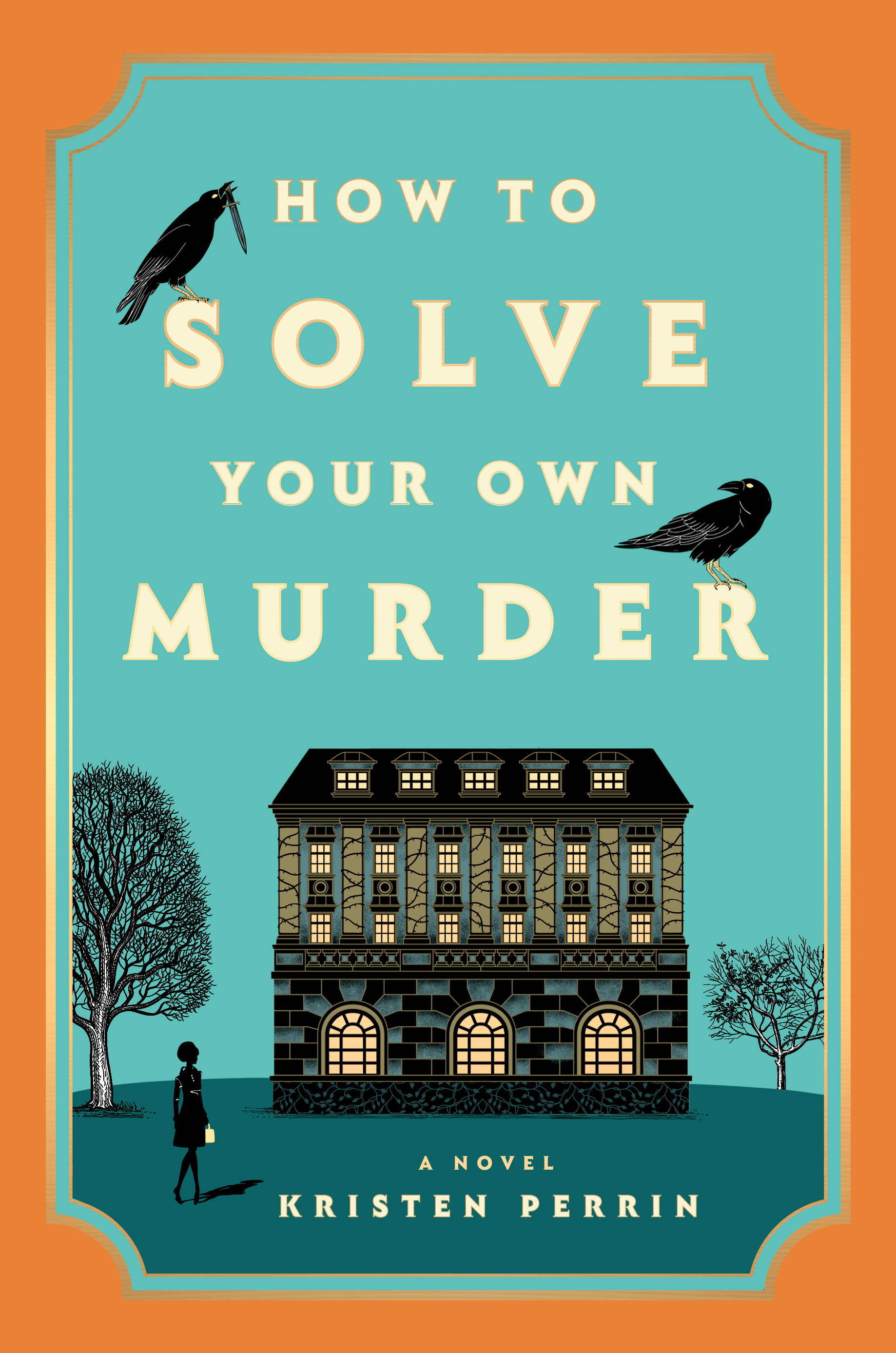
When I did finally reach BINGO!, a friend had already snatched up my first priority book. So I glanced around at the remaining options, and was pleased to see that this one was still available. I was briefly tempted by another, which had colorful, painted edges. The publishing industry has realized that many of us readers love those, and has started to put them on more and more new books. However, I decided to go with my initial instinct, and picked up this mystery novel.
I later learned that this title is the book of the month for a book club that meets at the library. I also learned that my favorite local coffee shop provides beverages for the meetings, so I had to go. The meeting was in just a few days, so although I had already started reading the novel, I now had a deadline to finish it.
The story takes place both in the past and the present day. It alternates between journal entries of a teenager in the mid-1960s, Frances Adams, and the first-person narrative of her great niece, Annie Adams, a young adult. Frances received from a fortune teller a prediction that she was likely to be murdered, then spent her whole life trying to avoid that fate. When she fails, decades later, Annie tries to unravel the threads that lead to her death.
I found the back-and-forth nature of the storytelling enjoyable and compelling. With each diary entry, the reader learns more about the past of not just Frances, but other characters that also appear in the modern-day perspective. Even if you’re not the type of reader to try to solve the mystery before the book reveals the answer, the slow revelation, for me at least, urges you to continue reading. I also enjoyed the chapters from Frances’s perspective more than the ones from Annie’s, so it was nice to have something to look forward to and break up the less fun parts of the book. Other readers may feel the opposite.
It did take me a while to really get into the book, though. I think the main reason is that I find the protagonist a little annoying. She seems a bit like a self-insert by the author, which isn’t inherently bad, but the early chapters seem focused on telling the reader character traits that aren’t necessarily relevant to the story. For example, Annie is an aspiring mystery writer, likes coffee, books, thrift stores, and is described as looking similar to the author herself. Since this book is the first in a series, I think that the author could have spread these pieces of information out a little more. I don’t need to know everything about a protagonist in order to connect with her. The story itself, and how she operates within it, would be enough to help me understand and empathize, even if she weren’t similar to myself in many ways.
There were also many “meta” comments, like “If this were a mystery novel, this would be the part where blah blah blah happens. . .” or “So-and-so looked exactly like a stereotypical English cab driver from the movies.” I think these were meant to poke fun a little at the fact that the novel does rely heavily on tropes and stereotypes, but I don’t think the reader’s attention needs to be drawn to it. I think you can lean into the common traits of the genre, and most readers will be smart enough to pick up on it, and still enjoy the book anyway. These comments also lessened after the beginning of the book, and I found myself a bit more “sucked in” later on.
Once the mystery was solved, I was a bit underwhelmed by the killer and their motivation, but found the explanation of the different pieces of the crime satisfactory. There were few questions left unanswered at the end, so I appreciate how neatly things were tied up. The questions I do still have may be answered by later books in the series.
I sometimes find it difficult to form an opinion in a vacuum, so I read a number of Goodreads reviews of the book, to help collect and articulate my thoughts. They varied between scathing and overly glamorous. Some readers said that it was one of the worst books they’ve ever read, while others praised the author for being the next Agatha Christie. I fall somewhere in the middle, and think both of those positions are a bit dramatic.
One complaint I read was that the novel was unrealistic, the protagonist naive, impulsive, and thoughtless, and some supporting characters overly accepting and accommodating of her flaws. While I don’t think this is entirely wrong, I do think that a good helping of suspension of disbelief is necessary when you pick up any mystery novel. After all, how often do gruesome, elaborate murders that the police can’t solve really happen? Besides, Annie Adams isn’t a professional detective, so it makes sense she’d do things a little stupidly, and narratives in which the amateur cracks the case sort of rely on the incompetence of the police. It’s nothing new or particularly egregious.
Another complaint I read was that the cast of characters was too big and difficult to keep track of, especially since some appeared in both time periods in which the story takes place. While I often struggle to keep track of people and lineages in books, movies, and shows, I actually felt the opposite about this particular books. Sure, there are a lot of characters, but they all come from a handful of families, and most share the same last names as their ancestors. The reader is also typically only introduced to one person in a given generation within a family, so for me, that made it easy to keep track of them all.
The critique I read that I felt had the most merit was that the dialogue felt unnatural. Some conversations read not as people speaking to one another, but purely roles interacting to move the plot forward in a certain way. Like my other problems with the book, I think that this also improved as the story went on. Perhaps the early chapters could have used a bit more editing before it was published.
Overall, How To Solve Your Own Murder was a nice read. If you’re looking for a short, easy, relatively light mystery, you would probably enjoy it. Don’t take it too seriously, and you’ll have fun. For a debut novel, I think Kristen Perrin did a pretty good job. I would recommend it to a friend. I plan to read the next book in the series, and look forward to seeing how she improves.
 In All Uncertain Terms
Leave a comment