With the recent passing of Thanksgiving, I was reminded of a peculiar phrase which has often perplexed me, but I’ve never taken the time to ask about it or research it. My favorite part of the Thanksgiving meal is the assortment of sides. I love green bean casserole, mashed potatoes, hash brown casserole, macaroni and cheese, stuffing, and rolls. Give me all the creamy and carby dishes–except sweet potatoes. Those are gross.
The main event, the turkey, is fine at best, and inedible at worst. I much prefer breaded and fried deer meat with wild rice and mushroom gravy, which was the staple of my family’s Thanksgiving dinners of my childhood (along with a deafening television, excessive consumption of alcoholic beverages, biting and aggressive conversation, and unsolicited political rampages–I don’t miss those). In my opinion, turkey is at its peak the few days after Thanksgiving, when, in collaboration with the leftover rolls and gravy, it is made into sandwiches. Every year, when I hungrily extract the gallon Ziploc bag from the refrigerator and rifle through the contents in search of some dark meat for my meal of leftovers, I am reminded of the phrase “cold turkey.”
I know what it means. I’m not sure when I first heard or learned the phrase, but through various exposures, I was able to glean from context that it means to stop doing something abruptly and completely. Why, though?
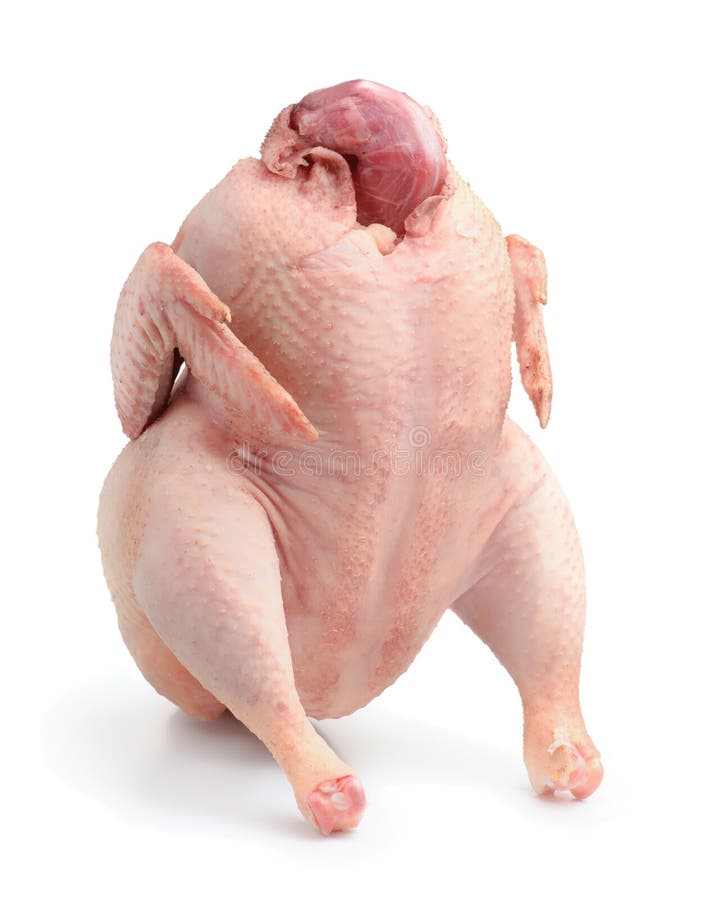
It’s unclear exactly how this phrase began. One popular theory is that it came about because withdrawal symptoms from substance abuse can include goosebumps and cold, clammy skin, resembling the look and feel of a plucked, raw turkey. Yuck.
However, there are early print uses that don’t fit well within that explanation. For example, a 1920 newspaper comic featured a character asking someone to “tell me cold turkey,” meaning to speak plainly, truthfully, and directly. This type of usage could be explained by another phrase, “talk turkey,” which also means to speak plainly. Another early print uses of the phrase is a poem in which the speaker refers to losing five thousand dollars “cold turkey,” or instantly. Some speculate that “cold turkey” is a combination of “talk turkey” and “cold,” as it means to be straightforward.
Perhaps the most humorous possible explanation results from an 1877 publication of a British satirical magazine. Fictional miser John Hume visits a relative for a few days. Each day, she serves him cold turkey for dinner. He grows increasingly flabbergasted by her impertinence in serving her esteemed guest a substandard meal, and upon leaving, he removes her from his will. Some think that his behavior became known as the “cold turkey treatment.”
While the most boring of the explanations, I think the second is most likely. It’s not an opinion I hold strongly, though. I suppose I’ll just have to keep wondering at this, frankly, weird couple of words that has become so common, each year when Thanksgiving passes. “Cold turkey” may always be a bit of a mystery to me, but what I do know is this: Mr. Hume and I have fundamentally different values. In addition to being a jerk, he was utterly incorrect in his belief that these awkward fowl are better when hot. He should have been grateful to his cousin Clara, and she was probably glad to be rid of his sorry company. For turkey, like revenge, is a dish best served cold.
~~~~~~~~~~~~~~~~~~~~~~~~~~~~~~~~~~~~~~~~~~~~~~~~~~~~~~~~~~~~
https://www.merriam-webster.com/wordplay/why-do-we-quit-cold-turkey
 In All Uncertain Terms
Leave a comment